Counter Culture: The Kebab Shop Salad Tray Deserves Your Full Attention
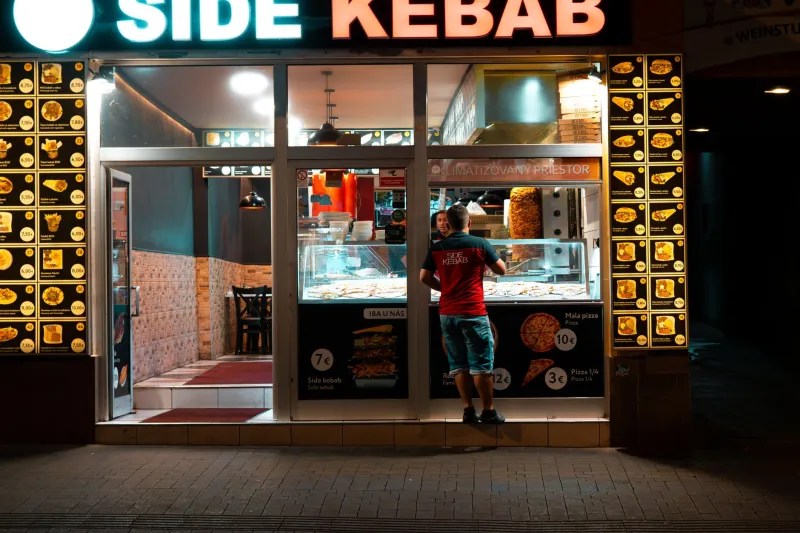
There is a moment, usually around 11pm on a Friday, when the kebab shop counter stops being a counter and becomes a landscape. On one side: the turning doner, the chicken shish under the grill, the chips doing their second fry. On the other: a plastic tray of shredded lettuce, cabbage, onions, tomatoes, pickled chillies and a sauce bottle that has seen things. Most people ignore it. They ask for garlic mayo, maybe a bit of chilli, and shuffle out with a foil-wrapped main event. That is a mistake. The salad tray is not decoration. It is the free lunch hiding in plain sight, and it deserves far more credit than it gets.
This is not about pretending a kebab shop salad is a Michelin-starred crudités selection. It is about recognising a genuinely useful British institution: a crisp, sharp, vinegar-bright counterweight to a mountain of meat and grease. Done properly, it turns a good takeaway into a great one. Done lazily, it becomes a soggy handful of lettuce water at the bottom of a polystyrene box. The difference is all in the build.
The tray is not a garnish
Walk into a decent Turkish, Kurdish or mixed grill shop and the salad is part of the deal. You buy the main, you get the crunch. That makes it one of the last true freebies on the high street, alongside the complimentary poppadom and the bag of prawn crackers nobody remembers ordering. But unlike those, the salad tray is fresh, adjustable and genuinely improves the meal. It cuts through fat. It adds acid. It gives you something to do with your hands while the chips cool down.
There is also a regional pride at stake. In London, the salad tray often leans Turkish: white cabbage, red onion, parsley, lemon, pickled chillies. In Birmingham and the West Midlands, you might see more cucumber and tomato, sometimes a tub of couscous or bulgur nearby. In Glasgow, the kebab van might offer a simpler spread, but the chilli sauce will be serious. Yorkshire shops are not shy with the pickled onions. None of these variations are wrong. They are local dialects of the same delicious language.
How to build a container that holds its nerve
The first rule is drainage. Wet salad is the enemy of the walk home. Shake the lettuce. Let the tomatoes sit on the edge, not the bottom. If there is a separate sauce pot, use it. If not, ask for the sauce on the side or accept that you are now in a committed relationship with pink mayo.
The second rule is layering. Cabbage and lettuce go down first, because they can take the weight. Cucumber and onion next. Tomatoes and lemon near the top, where they will not drown everything else. Pickled chillies go wherever you can find them, ideally several. Do not seal a hot kebab directly on top of the salad unless you enjoy steamed lettuce. If the box has a divider, use it. If it does not, build a little wall with cabbage and pray.
The third rule is restraint at the counter. Take enough for your meal, not enough to feed a coach party. Use the tongs. Do not dig around for the best bits. The person behind you wants pickled chillies too. This is a shared civic resource, not a personal foraging expedition.
The ranking: from crisp to chaotic
1. Pickled chillies
The undisputed champion. Sharp, hot, slightly sweet, and capable of rescuing a bland mouthful of doner in one bite. A kebab shop without pickled chillies is a kebab shop operating with one hand tied behind its back.
2. The mysterious pink sauce
Is it mayo, ketchup, yogurt, a secret blend, or all three? Nobody knows. Nobody asks. It is the creamy, tangy, faintly smoky glue that holds the whole box together. Treat it with respect and it will make you a better person.
3. Shredded white cabbage
Underrated for crunch. It does not wilt instantly, it soaks up sauce without collapsing, and it gives the salad a proper backbone. More cabbage, fewer tears.
4. Red onion
Aggressive, necessary, and excellent with lemon. The thin slices are best. The thick wedges are a test of character.
5. Cucumber
Cool, clean and refreshing, assuming it has been cut recently and not left to sweat under the lights since lunchtime. A good cucumber slice is a palate reset. A bad one is a sad little puddle.
6. Iceberg lettuce
It gets a bad reputation because it is mostly water, but that is the point. Crunch and hydration. Just keep it away from the bottom of the box unless you enjoy salad soup.
7. Lemon wedges
A squeeze of lemon over the whole box is the single easiest upgrade in takeaway food. It wakes everything up. Use it before the sauce, not after.
8. Tomatoes
Useful, but risky. They bring sweetness and acidity, but they also bring juice. If they are chopped small and firm, great. If they are watery and pale, leave them for someone else.
9. Fresh parsley
A small handful of flat-leaf parsley makes the tray feel intentional. It is not essential, but it is a nice touch. More shops should do it.
10. Jalapeños
Fine, but pickled chillies are better. Jalapeños are the understudy. They can step in, but they will not get the lead role.
11. Couscous or bulgur, where offered
A bonus carb, not a salad component in the strictest sense. If it is there and it looks fresh, take a spoonful. If it looks dry, walk on.
12. The lettuce that has been sitting there since 6pm
Every tray has one corner of tired, translucent leaves. Avoid it. Do not try to save it. It cannot be saved.
Free, but not worthless
The kebab shop salad tray is not fancy. It is not Instagram food. It is a plastic tray of chopped vegetables under a strip light, and yet it performs a small miracle every weekend. It balances the meal. It adds colour. It gives you something fresh to eat alongside something gloriously heavy. It is the reason a mixed grill feels like dinner rather than a dare.
So next time you are waiting for your order, do not just stare at the grill. Look left. Grab a container. Build it with care. And when you get home, give the pink sauce the respect it has earned. The main event might be the kebab, but the salad tray is the quiet hero of the whole operation.