Start Smart, Finish Strong: The Takeaway Eating Order That Actually Works
You know the scene. The doorbell goes, the bag lands on the kitchen counter, and within four seconds someone has torn open the foil tray of the greasiest thing in there. That is not dinner. That is a tactical error dressed as enthusiasm.
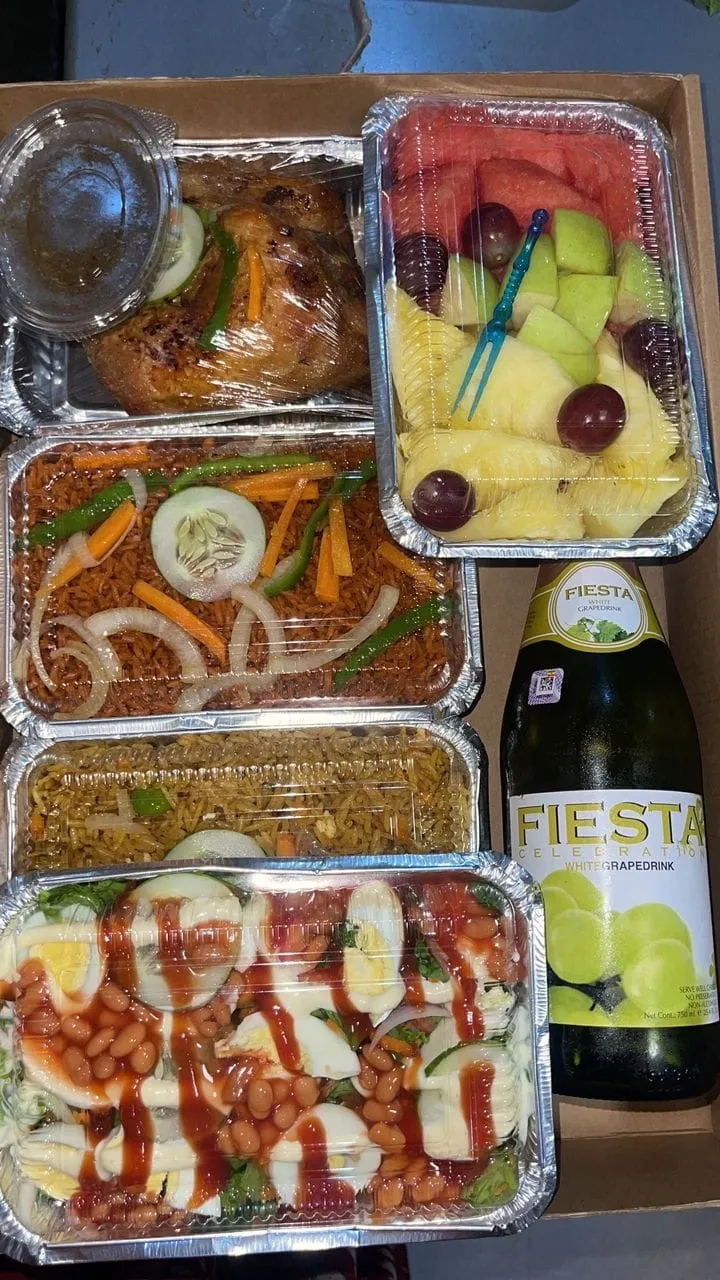
A mixed takeaway is a puzzle with gravy on it. You have items at different temperatures, different textures and different levels of richness. If you eat them in the wrong order, the best bits go cold while you are busy with the boring bits. Worse, your palate clocks off halfway through and suddenly the garlic naan tastes like a sponge and the chilli sauce tastes like nothing. So here is the Flavourz-approved order of operations. It is not law. But it is close.
The rookie error: diving into the greasiest thing first
The greasiest item is always the loudest. It shouts from the bag. It says me first. It is also usually the thing that coats your mouth in a film of fat and makes everything afterwards taste like a faint echo. That is palate fatigue in action: your tastebuds get hit with salt, fat and heat, then struggle to notice the delicate stuff later on. Save the heavy hitters. Start with something that wakes the mouth up without numbing it.
Temperature loss is the real enemy
Takeaway food is a race against time. Chips go from crisp to sad in minutes. Battered fish loses its crunch the moment steam gets trapped. Naan bread turns from pillowy to cardboard if it sits in a hot bag too long. The trick is to eat the most fragile items first, not the most exciting ones. Fragile means crunchy, crisp or freshly fried. Exciting means rich, saucy or cheesy. Excitement can wait. Crunch cannot.
Palate fatigue is not a myth
Ever wondered why the last third of a curry feels like a chore? It is not you. It is your palate getting bored. Rich, salty, spicy food is brilliant for the first few mouthfuls and then your brain starts turning the volume down. The fix is contrast: something fresh, something crunchy, something sharp. That is why the pickled onion, the salad, the poppadom and the squeeze of lemon are not garnish. They are tools. Use them to reset before the next big flavour.
Curry night: the order that keeps the naan alive
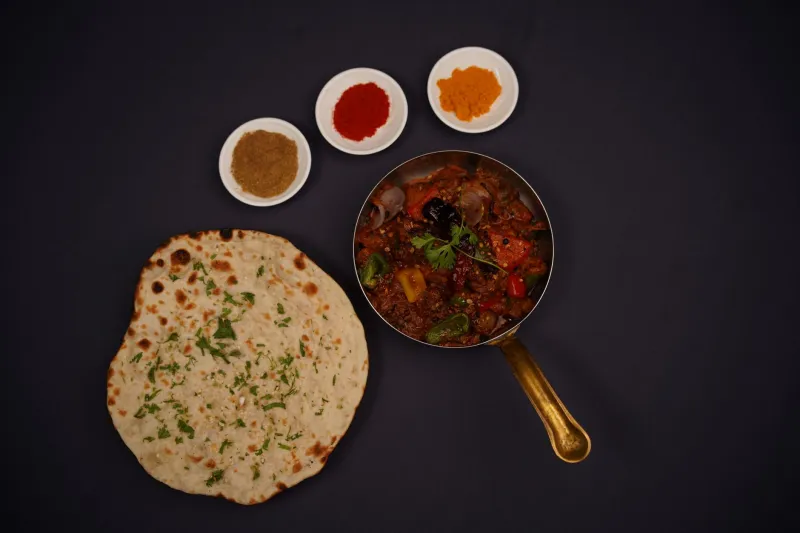
Open the bag and do not touch the curry. First, get the poppadoms out and eat one while you sort the rest. They are at their best in the first two minutes and they give you something to do while the mains get plated. Next, the naan or roti: wrap it in foil or a tea towel, not the plastic bag, and keep it warm. Then the starters: onion bhaji, samosa, whatever fried thing you ordered. Eat those while they still have a crust. Then the curry, with rice, and finally the naan torn in properly. If you have a salad or raita, use it between mouthfuls of the heavy stuff. The curry is the main event, but it should not be the opening act.
Kebab night: sauce discipline is everything
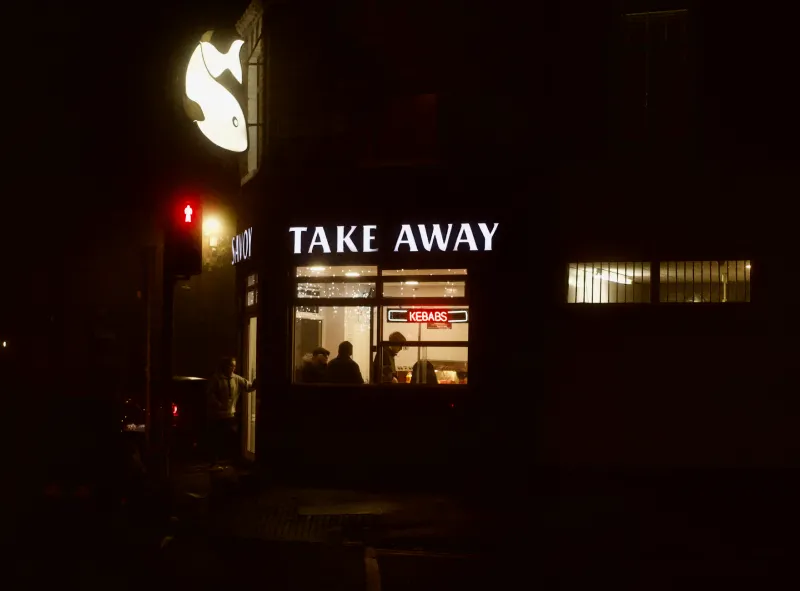
A kebab is a stack of competing textures. The pitta is soft, the meat is hot and greasy, the salad is wet, and the sauce is a wildcard. If you open the whole thing up and let it sit, the pitta turns to paper and the salad turns to soup. Eat the loose chips or the extra bits first, then tackle the kebab in halves. Keep the chilli sauce on the side if you can. Garlic mayo is lovely but it is a flavour blanket. Use it at the end, not the start. And for the love of all that is holy, do not pour the sauce over the whole thing and then answer the door. That is how you get a sad kebab and a stained doormat.
Chinese feast: crunch first, sauce later
Chinese takeaway is a masterclass in texture that dies quickly. Spring rolls, prawn crackers, crispy seaweed and anything battered need to be eaten before the saucy tubs get opened. The steam from the ribs and the chow mein will soften everything nearby. So: crackers out, spring rolls next, then the dry crispy things. Move on to the ribs and the wings, then the noodles and rice, then the saucy mains. Crispy duck pancakes are a course of their own: do them while the pancakes are warm, and do not let the cucumber sit in the sauce. It is a small thing. It matters.
Chippy tea: the chip window is short
A chippy tea is not a meal, it is a countdown. Chips are perfect for about four minutes. Fish is perfect for about three. Battered sausage is perfect for about two. So the order is: open the paper, let the steam out, eat the fish first because the batter is the most fragile thing in the bag. Then the chips, with salt and vinegar, while they still have a bit of fight in them. Then the sausage, then the mushy peas, then the curry sauce if you are that way inclined. If you have a pickled egg or an onion, that is your palate reset. Use it.
The golden rules, ranked
- Open everything and let the steam out. Trapped steam is the enemy of crunch.
- Eat the most fragile thing first: fried, crisp, battered or fresh from the fryer.
- Keep bread warm but not sweaty. Foil or a tea towel, never the plastic bag.
- Use sharp, fresh or pickled things to reset your palate between rich mouthfuls.
- Save the cheesiest, sauciest, heaviest item for the middle-to-end. It will still be there.
- Do not answer the door mid-kebab. It never ends well.
The best takeaway eating order is not about being posh. It is about respect: for the food, for the money you spent, and for the person who is about to ask if you are going to eat the last poppadom. Start smart. Finish strong. And keep the kitchen roll close.