The Sixth Ingredient: Britain’s Takeaway Packaging, Ranked by the Walk Home
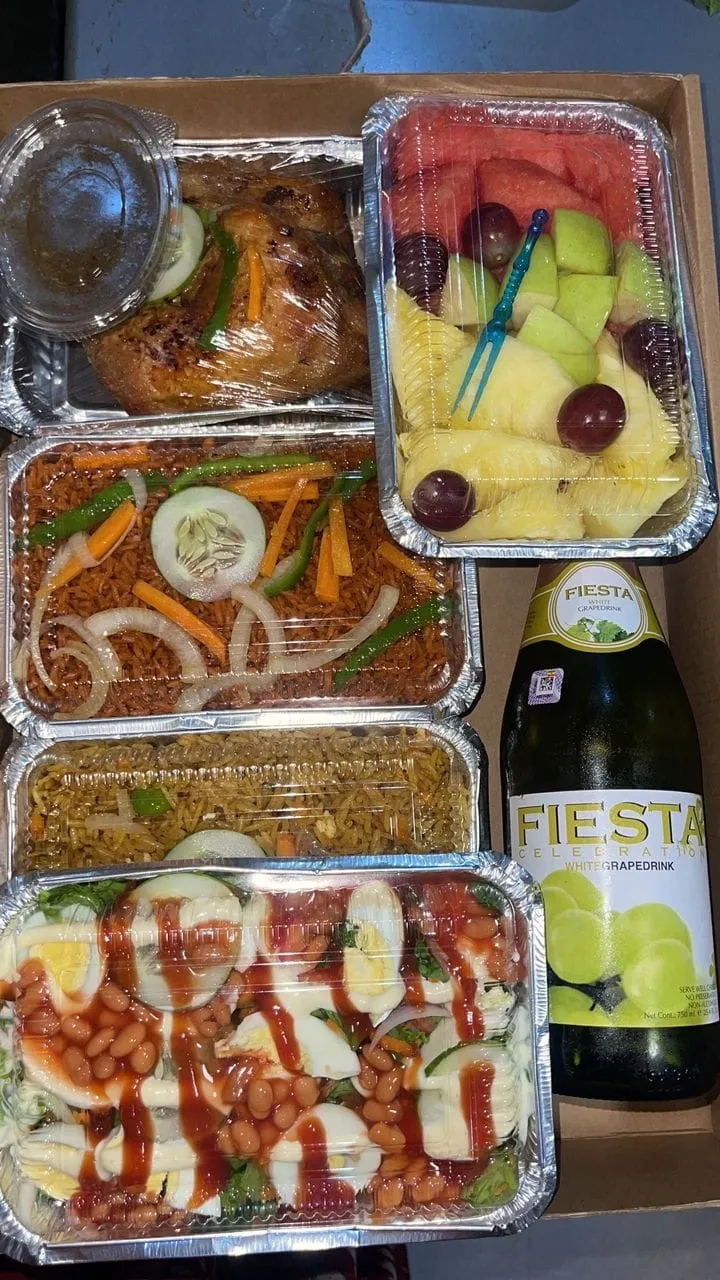
Photo: Uthman salma, CC0, via Wikimedia Commons
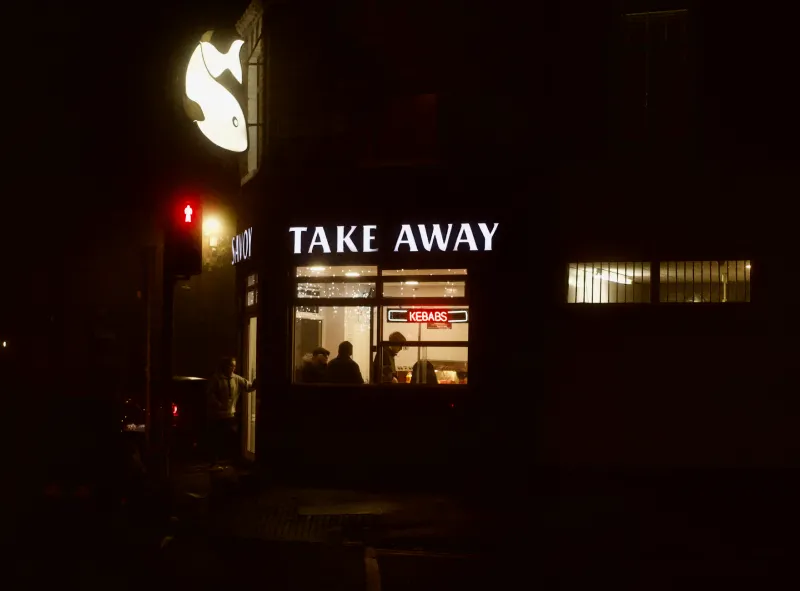
Ordering a takeaway is an act of optimism. The app says 25 minutes, the driver says 12, and your stomach says now. But between the pass and your front door there is a sixth ingredient nobody puts on the menu: the packaging. It can rescue a Friday night or turn a good curry into a warm puddle. We spent a month treating containers like contestants on a very greasy talent show, and ranked them on what actually matters: heat retention, structural nerve, sauce containment, sogginess control and whether the whole thing still feels like a treat when you open it.
The Rules of the Ride
This is not a beauty contest. A container can be recyclable, compostable and worthy of a design award, but if it turns chips into damp wallpaper it has failed the assignment. The test was simple: order the same sort of scran from different places, walk it home, open it at the same point and judge the damage. No lab coats. Just a kitchen timer, a thermometer and a household that got very tired of hearing the phrase “texture profile”.
5. Polystyrene: The Hot, Sad Fortress
Polystyrene does one thing brilliantly: it keeps heat in. That is also its curse. Your curry arrives nuclear-hot, then sweats. The lid fogs, the chips go limp, and the whole thing develops that faint squeak that makes you feel like you are eating out of a stationery cupboard. It is the culprit of the container world — technically effective, emotionally grim. In 2026, with more councils pushing away from it and plenty of takeaways switching to alternatives, seeing a polystyrene box feels like a small red flag. Dinner may survive the ride, but the mood takes a hit.
4. The Compostable Carton: Saintly, Sometimes Soggy
The new wave of compostable cartons is genuinely good news. They feel better in the hand, they tick the eco box, and they photograph like they belong in a food magazine. The problem is that “compostable” and “chip-proof” are not the same thing. Wet curries and vinegary sauces can soften the base faster than you would like, and a stack of them in a hot bag can turn a crisp fried thing into a chewy one. When they work — dry dishes, sturdy construction, a proper lid — they are excellent. When they do not, you are left with a virtuous carton and a sad bhaji. In 2026, the eco option is no longer a novelty, but it still needs to earn its place by protecting the food, not just the planet.
3. Paper Bags: The Weakest Link With a Nice Vibe
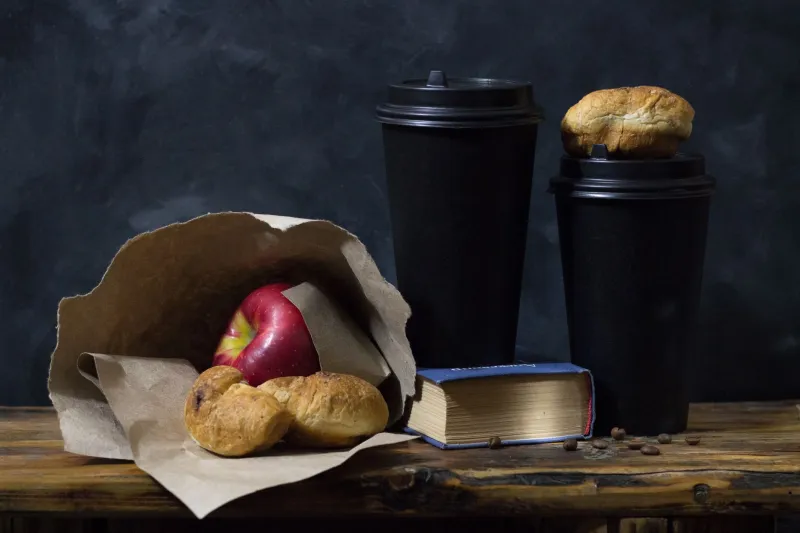
A paper bag is not really packaging. It is a rumour of packaging. It carries the promise of dinner, then quietly absorbs the grease and gives up. Chips go soft, wrappers steam, and anything with a sauce starts to look nervous. And yet: paper bags feel right. They rustle. They suggest a chippy by the sea or a late-night kebab shop with a queue out of the door. The best paper bags are thick, lined or doubled up, and used only for dry goods. The worst are thin, single-layer and asked to carry a biryani. That is not a bag. That is a countdown timer.
2. The Foil Tray: Unflashy, Unbeaten
Foil trays are the hero nobody applauds. They look like they were designed in a shed, but they hold heat, shrug off sauce and keep rice from turning into porridge. A foil tray with a decent lid is the reason a curry can travel ten minutes and still taste like it was meant to. The caveat is structural: tilt it, and you will learn about gravity in the most disappointing way possible. Foil also does not breathe, so fried food can soften if it is sealed too tight. But for wet dishes, rice and anything that needs to arrive hot and intact, it is the reliable old pro. Give it a flat surface and a bit of respect, and it will get dinner home.
1. The Pizza Box: The Undisputed King, With Caveats
For its one job, the pizza box is the best container in Britain. Corrugated board lets steam escape, keeps the base from going soggy and gives the whole thing a bit of theatre when you flip the lid. A good pizza box makes dinner feel like an event. But it is a specialist. Put chips in a pizza box and they go sad. Put a curry in one and you have invented a new kind of disaster. The king only rules its own kingdom. Still, when the order is right, nothing survives the walk home better. It is the box seat of takeaway packaging — literally.
The Verdict
The best packaging is the stuff you do not notice until you open it and everything is exactly as it should be. In 2026, the eco-friendly options are getting better, but they are not yet a free pass. A compostable carton that steams your chips is still a carton that steams your chips. Foil trays remain the unglamorous hero, pizza boxes remain the specialist king, and polystyrene remains the culprit with a good thermostat and no charm. Paper bags? Keep them for the dry stuff, double them up and never trust a thin one with a curry. Your dinner has a long journey home. The box should be on its side.