The Shop Counter After Dark: How Britain’s Corner Stores Became Curry Night Heroes

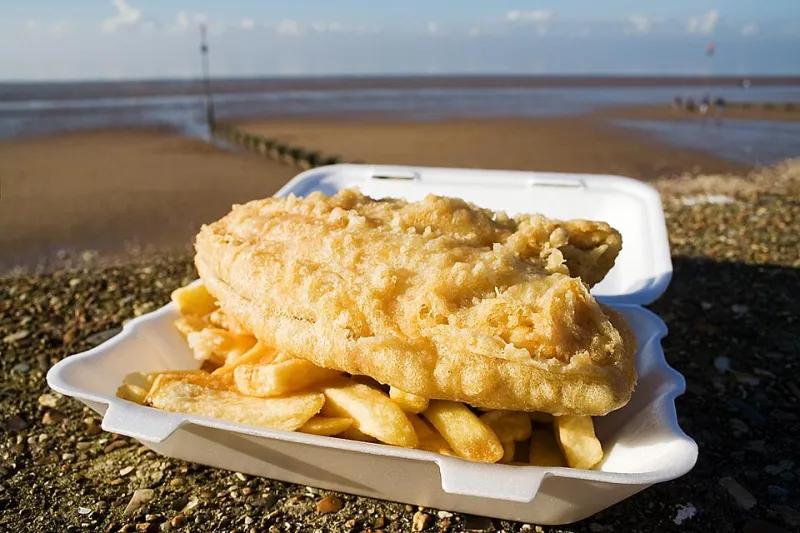
Photo: JThomas , CC BY-SA 2.0, via Wikimedia Commons
There is a particular kind of British takeaway magic that does not advertise. It does not have a slick website. It does not care about its Instagram grid. It is a corner shop with a laminated menu taped to the fridge, a phone number written in marker, and a queue of people who all seem to know exactly what they want.
Welcome to the shop-counter curry club. No membership card, no secret handshake, just a loose network of convenience stores, mini-marts and off-licences that turn into proper curry kitchens after dark. And once you are in the know, your Friday night changes forever.
The 6pm transformation
By day, it is a shop. You pop in for milk, a bag of ice and a lottery ticket. By evening, the shutters stay up, the extractor fan starts humming, and the smell of onions, ginger and hot oil drifts past the bus stop. Somewhere behind the till, a second business is waking up.
The set-up varies. Sometimes it is the same family running both halves of the operation. Sometimes the shop rents the back kitchen to a cook who has built a word-of-mouth following. Sometimes there is a side door, a separate phone number and a queue that forms in the drizzle with the quiet confidence of people who have done this before.
The clues are small but reliable: a handwritten specials board, a stack of foil containers, a microwave-free kitchen doing proper volume, and customers walking out with bags that smell far too good for a corner shop.
Why the food punches so far above its price
First, overheads. A shop already has rent, electricity and a counter. A kitchen tucked into the back does not need a dining room, a host stand or a chandelier. That means more of your money goes on ingredients and time.
Second, turnover. When a kitchen is cooking the same dishes night after night for a loyal queue, it gets good at them. The biryani is not a menu afterthought. It is the reason people set alarms. The dal is not a side. It is a benchmark.
Third, the delivery-app maths. In 2026, with commission and fees eating into every order, a shop kitchen can keep prices keen by leaning on collection, cash and regulars. You get a curry that costs less than a cinema ticket and tastes like someone actually wants you to come back.
And fourth, the cooking itself. These kitchens are not trying to impress a critic. They are trying to feed a street. That is a very different brief, and it usually produces better food.
How to order like a regular
Call ahead. If there is a separate kitchen number, use it. Ask what is coming out fresh and what they are known for. The answer is rarely the thing you were about to order.
Ask for the special. Not the specials board special, the actual special. The thing they cook for themselves. The thing that sells out by 8pm. If you hear the words 'we only do it on Fridays', cancel your plans.
Be specific about spice. 'Medium' means different things in different shops. Ask for it the way you actually want it, and ask for the chilli pickle or onion salad on the side.
Do not judge the decor. You are not there for the ambience. You are there for the food. A stack of cardboard boxes by the door is not a red flag; it is a sign that the kitchen is busy.
Bring cash. Not every shop kitchen has a card reader that works at 10pm. Check first, but keep a tenner in your pocket just in case.
Order the rice and bread they recommend. If they say the biryani rice is the move, get the biryani rice. If they say the naan is coming straight out of the tandoor, wait the extra five minutes.
The trail: where to look
We are not going to pretend there is one definitive list. Shop kitchens change hands, hours shift, and the best ones guard their reputation with a chalkboard and a prayer. But these are the hunting grounds worth walking.
Birmingham – the Balti triangle and the residential stretches around it are full of shops that go quiet at 5pm and noisy at 7pm. Look for the ones with a separate phone number and a queue that is not waiting for cigarettes.
Manchester – around Rusholme and the student corridors, the late-night shop kitchen is a way of life. Follow the smell of fried onions and the people carrying foil trays like they are carrying gold.
Leeds – Hyde Park and the streets around the universities have a rich seam of shop-front kitchens doing biryani, kebabs and curry boxes for people who have just finished a shift or a seminar.
Glasgow – the southside has plenty of shops that quietly run a curry kitchen after hours. The giveaway is the handwritten menu in the window and the fact that nobody is buying milk.
London – Walthamstow, Southall and the long roads of east London are prime territory. The competition is fierce, the queues are knowing, and the prices are still surprisingly kind.
Bristol – Gloucester Road and the surrounding streets have a knack for hybrid shop-kitchens that feel like a secret until you realise half your neighbours are already regulars.
The golden rules
Do not ask for a table. Do not expect a website. Do not ring at 11.55pm and demand a feast. Do ask what is good, do order the thing they are proud of, and do tip if the food is great. The shop-counter curry club runs on goodwill, repetition and the quiet thrill of walking past the crisps with a bag of something far better.
If you find a good one, treat it like a good pub. Learn the name. Learn the number. Learn what to order. And keep it to yourself just enough that you can still get a table-free collection on a Friday.